Source Vintage Hotel Tourist Club Car for Events
Find 30 vintage hotel tourist club car options from Henan, China. Compare electric models with lead-acid or lithium batteries, CE/EEC certifications, and custom sizes. Ideal for scenic spots, weddings, and resorts; compare the available evidence and request quotations based on your requirements.
Key considerations
Products List


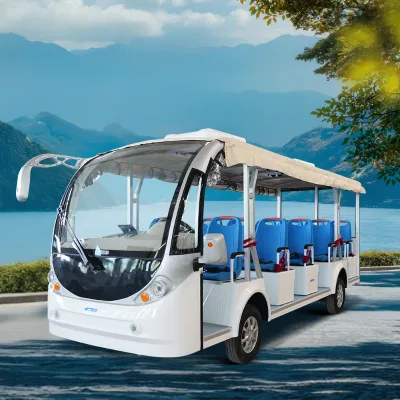


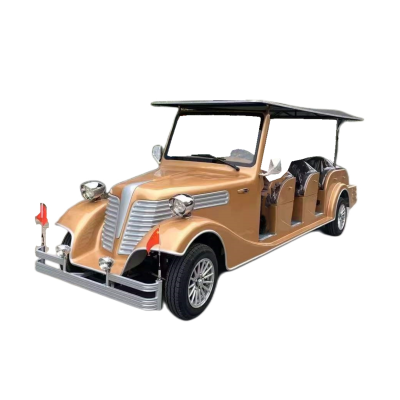
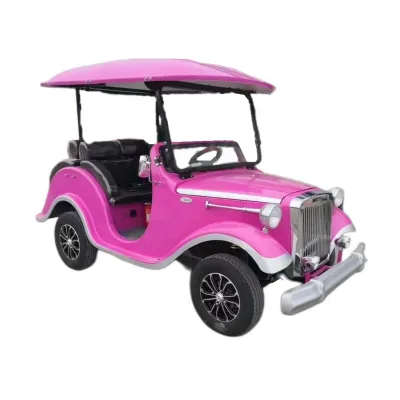


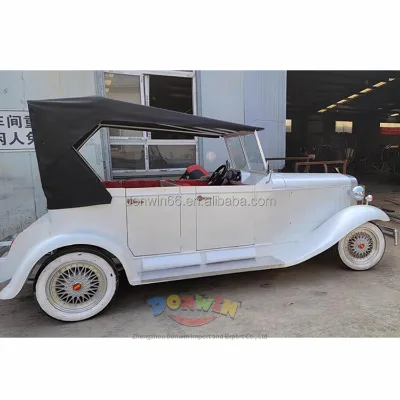
Comprehensive Sourcing Guide
Vintage Hotel Tourist Club Car Sourcing Guide
Procuring a vintage-style electric vehicle for hotel or tourist club environments requires balancing aesthetic authenticity with modern operational safety. Buyers must prioritize vehicles that offer customizable body colors and dimensions to match specific venue branding while ensuring the internal mechanics support low-speed, high-torque requirements for sightseeing and banquet use. The observed market data indicates a strong preference for closed-body designs that provide weather protection without compromising the retro visual appeal essential for luxury events.
Sourcing decisions should focus on verifying the battery technology and charging infrastructure compatibility before finalizing orders. While some listings suggest lead-acid options, others indicate lithium capabilities, necessitating a clear definition of range and maintenance needs for the specific application. Buyers must confirm that the vehicle's turning radius and maximum speed align with the physical constraints of pedestrian streets, resort pathways, and hotel grounds to ensure safe, efficient navigation for guests and staff alike.
Product Scope and Observed Listing Signals
The available product range typically features a distinct vintage carriage aesthetic, often described as a classic sightseeing car or retro vehicle, designed for applications ranging from wedding parties to scenic spot tours. Listings frequently highlight a customizable color palette including white, black, pink, and gold, allowing operators to tailor the vehicle's appearance to their specific event themes or corporate identity. The observed product models, such as the Zd-Golf Car and ZD-C series, demonstrate a consistent focus on multipurpose utility suitable for hotels, airports, and amusement parks.
Buyers should carefully distinguish between different model specifications, as size and seating capacity vary significantly across the observed listings. Some units are specified with dimensions around 4.2 meters in length, while others offer fully customizable sizing to fit unique venue requirements. The packaging method, often involving wooden cases and iron shelves, is a critical signal of the manufacturer's attention to protecting the vehicle during transit, which is essential for maintaining the pristine condition of these decorative assets.
Technical Specifications to Verify
Technical due diligence must begin with the powertrain and battery configuration, as these components dictate the vehicle's operational range and maintenance schedule. Buyers need to verify whether the unit utilizes a 60V or 72V lead-acid system or a lithium alternative, as this directly impacts the mileage capability, which can reach up to 150km on a single charge. The charging time, typically observed between 8 to 10 hours, must be compatible with the venue's overnight charging infrastructure to ensure fleet availability for daily sightseeing or event duties.
Braking systems and turning capabilities are equally critical for safety in crowded tourist areas. The observed specifications often include a front disc and rear disc brake setup, which provides reliable stopping power for vehicles weighing up to 650kg. Additionally, the minimum turning radius, noted as 5 meters in some models, is a vital metric for navigating tight corners in pedestrian zones, hotel lobbies, and narrow resort pathways without causing damage to the vehicle or surrounding infrastructure.
Compliance and Safety Documentation
Regulatory compliance is a non-negotiable aspect of sourcing these specialized vehicles, particularly when they are intended for public or semi-public use. Buyers must request and verify current certification documents, as the market data indicates the presence of CE, EEC, ISO, and CCC standards. These certifications confirm that the vehicle meets specific safety and electromagnetic compatibility requirements for the intended market, ensuring that the supplier has adhered to rigorous manufacturing and testing protocols.
Safety features extend beyond certifications to include specific design attributes like low-speed operation and robust structural integrity. The "Safety" attribute is frequently highlighted in product descriptions, suggesting that these vehicles are engineered to operate at controlled speeds suitable for pedestrian-heavy environments. Procurement teams should ensure that the documentation explicitly covers the vehicle's compliance with local traffic regulations for low-speed electric vehicles, preventing potential legal liabilities or operational bans at the destination site.
Cost Drivers and Commercial Terms
The pricing structure for vintage tourist cars is influenced heavily by customization levels, battery type, and the complexity of the body materials used. Observed price ranges vary significantly, reflecting the difference between standard configurations and bespoke units with luxury finishes or extended ranges. Buyers should anticipate that higher costs are associated with custom colors, specialized composite materials, and the inclusion of advanced battery technologies like lithium, which offer longer lifespans compared to traditional lead-acid options.
Commercial terms regarding minimum order quantities and delivery timelines are essential for effective supply chain planning. The market typically supports a low entry barrier with an MOQ of just one set, making it accessible for single-unit purchases or small fleet expansions. However, lead times must be accounted for, as delivery is often scheduled within 25 days after the deposit is received, requiring early coordination to align vehicle arrival with specific event dates or seasonal operational peaks.
Supplier Qualification and Quality Control
Supplier selection should prioritize manufacturers with a proven track record in producing specialized transportation vehicles, such as those based in Henan, China, which is a noted hub for this industry. Buyers must verify the supplier's ability to provide comprehensive after-sales support, including the two-year service periods observed in the market, to ensure long-term reliability and rapid resolution of any mechanical issues. The brand name "Zhenda" appears frequently, indicating a specific manufacturer with established production capabilities for these niche vehicles.
Quality control processes must be validated through the inspection of packaging and material standards before shipment. The use of iron shelves and plywood packaging is a standard indicator of careful handling, but buyers should also inspect the material composition of the vehicle body, which often utilizes various composite materials designed to mimic classic car aesthetics while maintaining durability. Establishing clear quality acceptance criteria for the finish, paint quality, and mechanical assembly is crucial to prevent receiving units that do not meet the expected luxury standards.
Long-Term Procurement Checks
Sustaining the value of a vintage car fleet requires a proactive approach to maintenance and parts availability. Buyers should establish a clear protocol for battery replacement and general servicing, as the lead-acid or lithium systems will degrade over time and require periodic attention. The availability of spare parts, particularly for the braking system and electrical components, should be confirmed in the initial contract to avoid operational downtime during critical tourist seasons or high-profile events.
Future scalability and fleet standardization are key considerations for long-term procurement strategies. As the venue expands its operations, the ability to source additional units with identical specifications ensures a consistent guest experience and simplifies training for drivers and maintenance staff. Buyers should also monitor the evolution of safety standards and battery technologies to ensure that their fleet remains competitive and compliant with any new regulations that may emerge in the tourism and hospitality sectors.
FAQs
Can the vintage hotel tourist club car be customized for specific events?
Yes, customization is available for the vintage hotel tourist club car. Buyers can select from various colors including white, black, pink, and gold. The body type is closed, and the size can be adjusted to meet specific requirements. This flexibility ensures the vehicle fits perfectly into wedding parties, exhibitions, or sightseeing tours while maintaining its classic aesthetic appeal.
What is the maximum speed and mileage of the vintage hotel tourist club car?
The vintage hotel tourist club car has a maximum speed of 90 km/h and a mileage of 150 km. It is designed for low-speed safety in tourist areas. The vehicle uses a 60V or 72V battery system, depending on the configuration. This performance profile makes it ideal for short-distance transport in parks, hotels, and scenic spots without compromising on range or speed.
What certifications does the vintage hotel tourist club car hold?
The vintage hotel tourist club car holds CE, EEC, ISO, CCC, and EPA certifications. These credentials ensure compliance with international safety and environmental standards. The vehicle is manufactured in Henan, China, by Zhenda Special Transportation. These certifications allow for broader market access and reassure buyers regarding the quality and regulatory adherence of the electric sightseeing vehicle.
How long is the delivery time for the vintage hotel tourist club car?
The delivery time for the vintage hotel tourist club car is within 25 days after receiving the deposit. The product is packed in a wooden case with an iron shelf or plywood packaging. This lead time allows for efficient logistics planning. Buyers can rely on this timeline for timely installation at resorts, airports, or commercial centers without significant delays.
What is the minimum order quantity for the vintage hotel tourist club car?
The minimum order quantity for the vintage hotel tourist club car is one set. This low MOQ allows buyers to test the market or purchase for single-site deployment. The price range observed is between 600 and 9800 USD. This accessibility makes it suitable for small businesses, hotels, or event organizers looking for high-quality vintage-style electric transport solutions.
What battery type is used in the vintage hotel tourist club car?
The vintage hotel tourist club car uses either lead-acid or lithium batteries. The standard configuration often features a maintenance-free sail lead-acid battery with a 60V voltage. Charging typically takes 8 to 10 hours. This battery flexibility allows buyers to choose based on their maintenance preferences and operational requirements for sightseeing or banquet services.